Strategy and leadership
Organisational design

We design your structure, roles, decision rights and operating model around your strategy, then help you land the change with your people.
Why you'd want this
Organisational design is how you shape your structure, roles, decision rights and processes so the organisation can deliver its strategy. An operating model describes how the whole organisation works day to day: who does what, who decides, how work flows and what supports it. Five's organisational design consultants help New Zealand leadership teams design both, then land the change with their people.
It's worth doing when:
- your strategy has changed and the organisation hasn't caught up
- growth has outpaced your structure
- you're merging teams or businesses
- work keeps falling between teams
- decisions stall because nobody is sure who owns them
Organisational design and operating model design work together
Organisational design focuses on structure, roles and decision rights. Operating model design takes a wider view. It covers how work flows from strategy to delivery and the processes and governance that support it. It also covers the ways of working that hold it together.
A target operating model is the future state you're designing towards. It describes how the organisation will need to work to deliver the strategy. Comparing it with how you work today shows what has to change, and in what order.
We treat these as one piece of work. A new structure on an old operating model rarely holds.
How our organisational design consultants work
- Start with the strategy. We agree with your leadership team what the organisation needs to be able to do, and what's getting in the way.
- Understand the current design. We talk to leaders and staff, look at how work actually flows, and map the gaps between today and what the strategy needs.
- Agree design principles. Your leaders set the principles any new design has to meet. These guide every choice that follows.
- Develop and test options. We shape design options with you and test each one against the principles and the work.
- Detail the chosen design. We define the structure, roles, decision rights and operating model in enough detail to put into practice.
- Plan the transition. We plan how to move from today's design to the new one, and support leaders to bring their people with them.
Your leaders co-design the work with us. That builds ownership, and it means the design reflects how your organisation really works.
What you get from an organisational design project
- Structure: reporting lines and teams, with the purpose of each one.
- Roles: what each role is for and what it's accountable for.
- Decision rights: who makes which decisions, who's consulted and who's kept informed.
- Operating model: how work flows, the processes and governance that support it, and how teams work together.
Each deliverable is written so your leaders can explain it to their teams. Each project is a fixed price, agreed before we start.
Which organisational structure fits?
There's no best structure. The right one depends on your strategy, your customers and the work. These are the common options:
- Functional: teams grouped by expertise, such as finance, sales and operations. It suits organisations with one main product or service.
- Divisional: teams grouped by product, customer or region. It suits organisations serving distinct markets.
- Matrix: people report to both a function and a product or region. It suits complex work that needs both views, but it needs clear decision rights.
- Team-based: cross-functional teams organised around customers or outcomes. It suits work that changes often.
Most organisations end up with a mix. We help you choose the mix that fits the work, then make the decision rights clear so it runs well. Whatever the shape, people need to know what their role is for and who decides what. That's where most of the design effort goes.
Restructures: we design the structure and work alongside your HR team
A restructure is often where organisational design ends up. When it does, your HR team and your employment adviser run the consultation process. We work alongside them.
Our part is the design itself, the case for change, and support for leaders as they talk with their people. We make sure the proposed structure is clear and well reasoned before it goes out for consultation.
For the people side of a restructure, see our change management consultants page. For people leaving the organisation, our outplacement support starts from $1,950 plus GST.
Organisational design in practice: OfficeMax
OfficeMax engaged Five to lead a transformation of their sales processes and workforce structure to navigate a rapidly changing market. Read the OfficeMax case study.
Talk to us about your organisational design
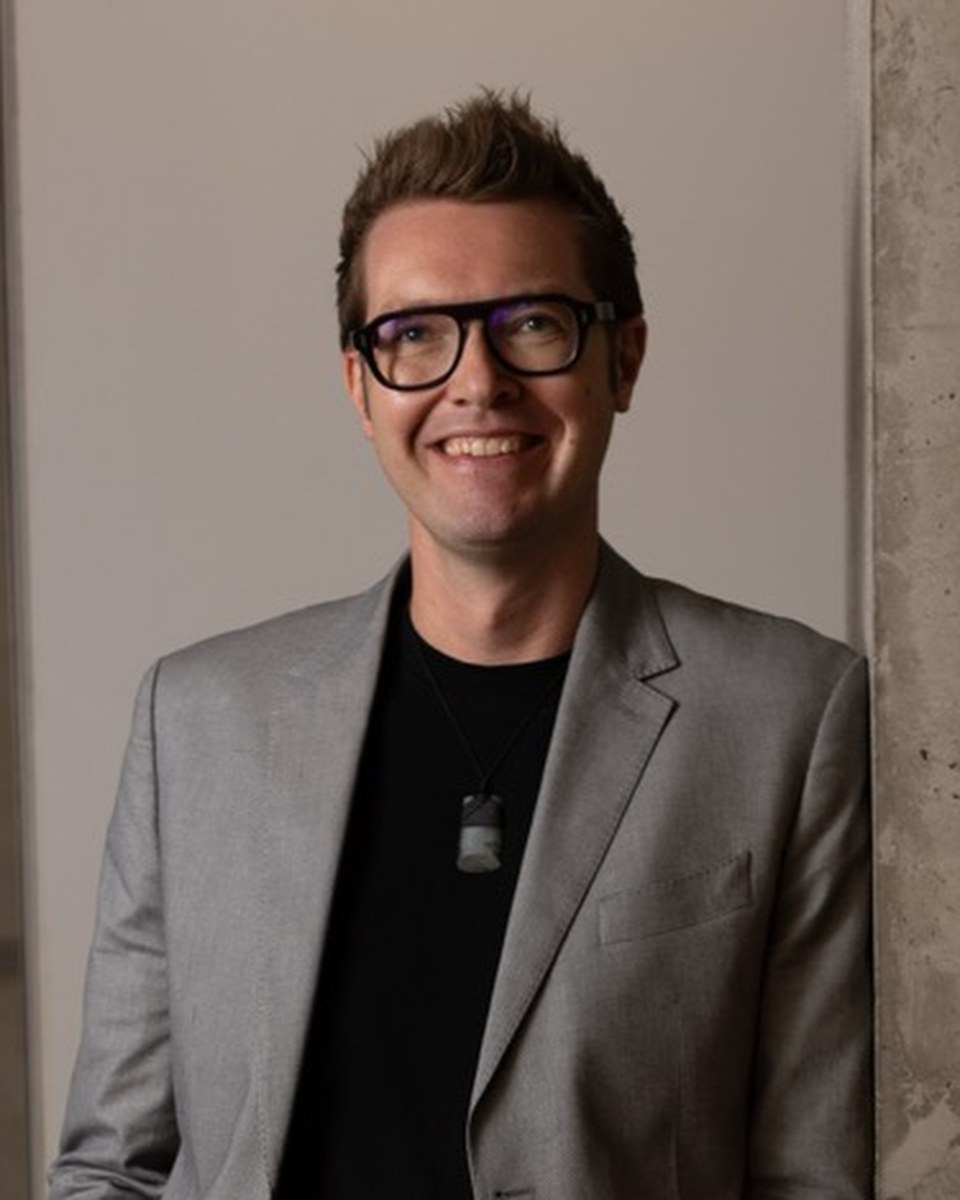
Start with a free 20-minute conversation with Nick Mackeson-Smith. Tell us what the strategy needs and what isn't working, and we'll tell you straight whether we can help. We're based in Auckland, working across New Zealand, in person or online.
Questions buyers ask us
What's the difference between organisational design and organisational structure?
Structure is the shape: the reporting lines and teams. Design is the whole system: structure plus roles, decision rights, processes and ways of working. Changing structure alone rarely fixes the problem.
What is an operating model?
An operating model describes how an organisation turns its strategy into delivery. It covers structure, processes, governance, decision rights and ways of working. A target operating model is the version you're designing towards.
How long does an organisational design project take?
It depends on the scope. A focused review of one team is very different from redesigning a whole organisation. We agree the scope and a plan with you up front, so you know what to expect.
How much does organisational design cost?
It's a fixed price, agreed before we start. The price depends on the scope we agree with you.
Do you run the restructure consultation?
No. Your HR team and your employment adviser run consultation. We work alongside them on the design, the case for change and support for leaders.
Do you help with the change, not just the design?
Yes. The design only works if people adopt it. Change management and stakeholder engagement are part of the work, and our change management team can lead the people side.
How is this different from capability mapping?
Capability mapping shows which capabilities your strategy needs and where the gaps are. Organisational design decides how to organise around them. Many clients start with capability mapping and role clarity, then move to design.
Will our leadership team be involved?
Yes. Your leaders set the design principles and choose between options with us. If the new structure brings a new executive team together, Traction Lab Team can help it work well from the start.
Do you work outside Auckland?
Yes. We're based in Auckland and work across New Zealand, in person or online.
Where we support
- Gap analysis: The distance between the organisation you have and the one the strategy needs.
- Operating model design: How work flows from strategy to delivery, who decides, and the processes and governance that support it.
- Structure and roles: Reporting lines, teams and what each role is accountable for.
- Decision rights: Who makes which decisions, who's consulted and who's kept informed.
- Process redesign: Redesigning the work itself as well as the boxes on the chart.
- Restructure support: The design and case for change, working alongside your HR team and employment adviser.
- Change management and stakeholder engagement: Bringing the people affected with you, early enough to matter. See change management.
How it will benefit you
- Strategic focus: Structure follows the strategy rather than the org chart you inherited.
- Clear decisions: People know who decides what, so decisions don't stall.
- Operational efficiency: Work moves through the organisation with fewer handoffs and less duplication.
- Informed decisions: You can see what a structural change will cost before you make it.
- A change people adopt: The new design is adopted rather than announced.
Who to talk to at Five


Make delivery inevitable.
© 2026 Five New Zealand Limited · NZBN 9429030159006 · Tāmaki Makaurau Auckland
Privacy notice