Loading
Five logo

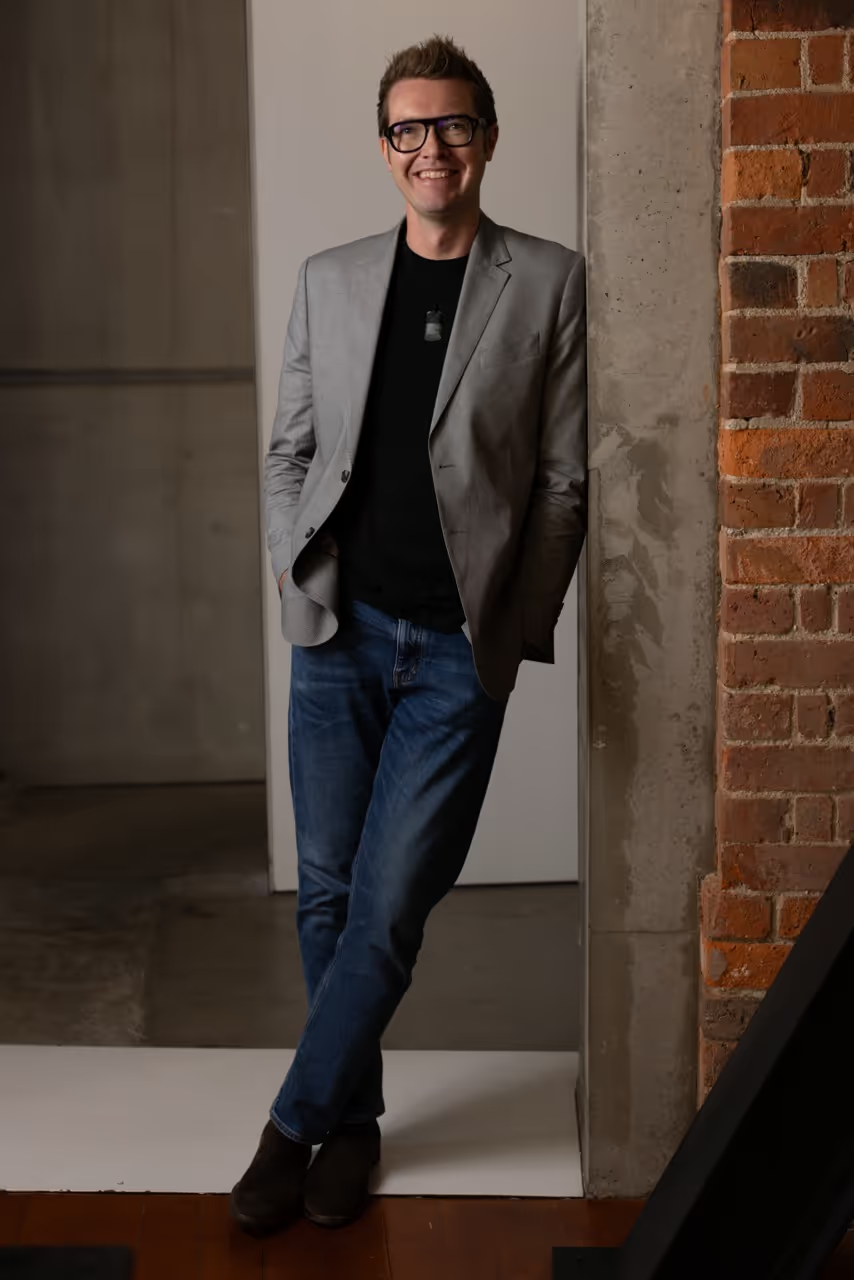
Nick Mackeson-Smith

Chief Curiosity Officer, Founder and Director
Auckland, New Zealand
+64 (0) 21 933 397
nick@fivenz.comBook a call
Team member photo

Nick is an expert in leadership development, executive coaching, learning strategy design and implementation, culture change and employee engagement. He's led transformative programmes in agile, technology implementation, diversity and inclusion, mental health and wellbeing, mindset and behaviour change, ways of working and learning enablement, and is very interested in building great employee experiences to drive great customer experiences which drive great business outcomes. He's a highly skilled facilitator and public speaker, and has a knack for spotting and unleashing the potential in those around him. He's got over 20 years of experience in doing the small stuff and the very big stuff at some of the world's and NZ's leading organisations - in financial services with Barclays Capital, Barclays Wealth Schroders, Lloyd's of London, and Goldman Sachs. In consulting services with Deloitte. In the public sector with Auckland Council, and most recently in digital services and telecommunications with Spark New Zealand.

I've recently written about:

People

The belief comes first. The performance follows.

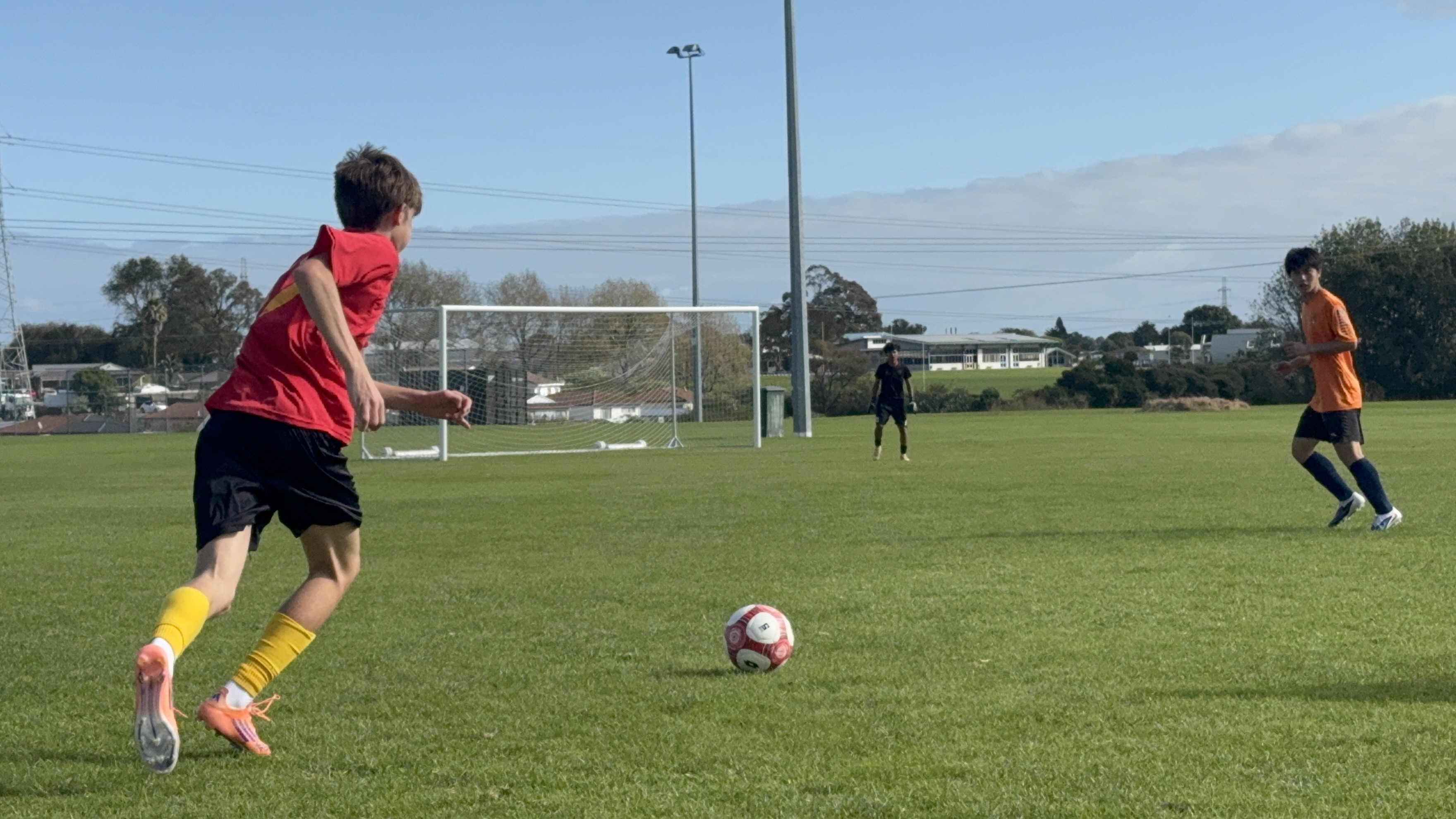
Most organisations spend enormous energy managing targets, KPIs, and performance reviews - and very little time on the thing that's actually doing most of the driving. Nick Mackeson-Smith, founder of Five NZ, makes the case that performance follows belief, not the other way around, and that the most powerful lever in any performance culture sits at the very start of the values-to-outcomes chain, not the end. Drawing on the values-to-outcomes model - and on watching his sons Ethan and Harry prepare for their football season - Nick explores why teams get stuck, how belief and performance can fall dangerously out of sync, and what organisations can actually do to surface and shift the mindsets that sit underneath their results. If your organisation has the strategy, the people, and the targets in place but still isn't performing at its best, this is worth a read.
Culture

The Gap Between What We Say and What We Do

I was sitting in a boardroom a few months ago, watching a leadership team talk with real pride about their culture. They used all the right words, and they meant every one of them. Then I spent two days walking the floors, and what I saw was different. Not dramatically different, but quietly and persistently misaligned in ways that nobody seemed to notice. That gap between intention and action is where most culture work needs to start.
Strategy & Leadership

Stop Counting Blades of Grass

Someone asks you for a report. You go off, pull the data, build the slides, present the findings. They say that's not what I meant. Most reporting nightmares start the same way - someone asks a question without knowing what they'll do with the answer. Here are four questions that change everything.
People

The leadership readiness gap

Organisational change is outpacing leadership capacity, and most boards aren't measuring the gap. With 72% of leaders admitting they're not fully prepared for what's next, the question isn't whether to invest in people development, but whether your approach is actually working. We explore why traditional leadership programmes fall short, the four questions every board should be asking, and what it takes to build leadership capability that's wired into your strategy.
Technology

Te anga whakamua i mua i te tino: Te mīharo o te AI ki te whakatutuki i ngā mea kāore i taea

This week is te wiki o te Reo Māori – a reminder that progress matters more than perfection. For many of us, te reo can feel like it sits in the “too hard” basket, yet AI tools are helping shift that. From translation to live conversation features, AI makes it easier to learn, use and celebrate te reo every day. This isn’t about replacing human effort or expertise. It’s about enabling participation, celebrating culture, and opening doors that once seemed closed.
Technology

Why most people technology RFPs fail before they even start

Organisations are investing in HRIS, payroll, onboarding, and time and attendance platforms, but too often, the results disappoint. The reason? Traditional RFPs focus on feature lists and vendor promises, while ignoring the foundations that determine success: strong processes, cultural alignment, capable people, and reliable data. This article explores why many RFPs go wrong, the questions to ask before committing, and how Five’s vendor-agnostic approach helps organisations choose technology that actually works.

You can talk to me about: