
The belief comes first. The performance follows.
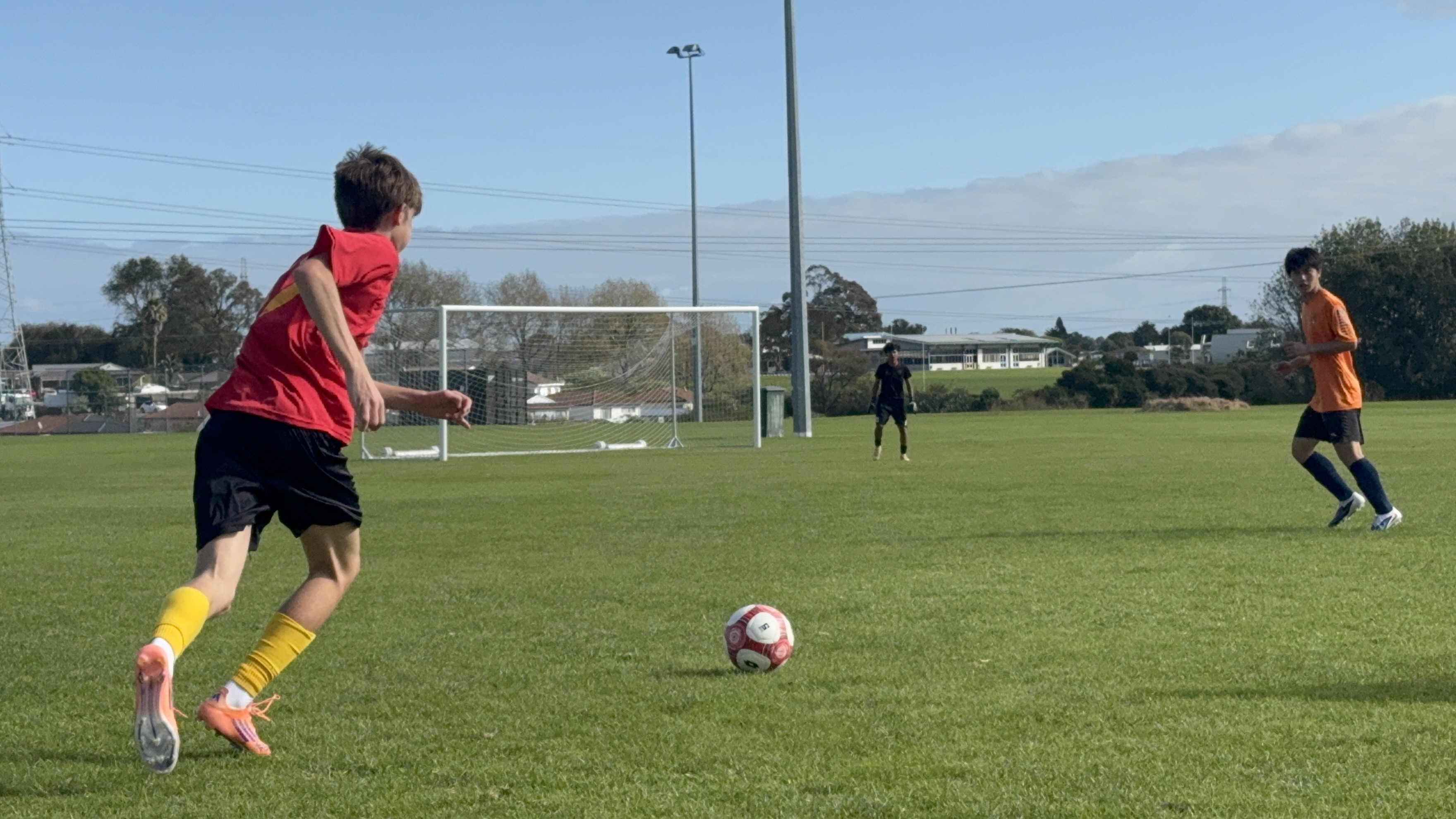
Ethan and Harry start their season with Ellerslie AFC and in their school teams for Selwyn College this coming weekend and I'll be on dad taxi duty from first thing Saturday morning, which I'm genuinely looking forward to even if the 7am alarm tells a slightly different story. But in watching them train over the past few weeks, I've noticed something that shows up in the organisations I work with just as much as it does on a football pitch.
They're waiting.
Waiting to play well before they let themselves believe they're good. Waiting for the results to tell them whether they're worth backing. While they're waiting, they're tentative and second-guessing themselves and playing well below what I know they're capable of. The logic feels completely sensible on the surface - earn the belief, don't just assume it - but I'm convinced it's back to front, and I think most of the performance cultures we build in organisations make exactly the same mistake.
Most organisations manage the wrong end of the chain
When you look at how values actually connect to outcomes, the sequence is everything. Values shape mindsets, and mindsets shape how people behave day to day, and those behaviours drive the actions that ultimately produce the results. The real power sits near the very start of that chain, not the end.
Most organisations manage the end of it.... targets, KPIs, performance reviews that assess what happened after the fact - all genuinely useful, don't get me wrong, but none of it touches the thing that's actually doing most of the driving - what people believe about themselves, and what they think is even possible for people like them in a place like this.
If someone is walking around with the mindset that "I'm not really the sort of person who leads with conviction" or "in this organisation, playing it safe is just how you survive," then you can put whatever target you like in front of them and it won't shift their behaviour in any meaningful way. The behaviour is downstream of the belief. The mindset is upstream. And I'm convinced that's where the most important work has to happen.
Fortunately, I had a good teacher:
"if you believe you can, or you can't, you are right".
My Dad to me when I was around 13 years old.
Performance follows belief, not the other way round
Football again, bear with me. The kids who play well aren't playing well simply because they've got better evidence about their own ability - in many cases, they aren't obviously more talented than those around them at all. Many of them are playing well because somewhere along the way they've developed an absolutely unshakeable belief that they belong on the pitch... and that belief changes everything. How they receive the ball, how they react when they make a mistake, and whether they back themselves to take a shot or pass it off to someone else instead.
Performance follows belief. And here's the absolutely crucial thing - the loop runs in both directions. When someone performs well, that performance reinforces the belief, and the stronger belief produces even better performance, and the better performance reenforced the belief even more. Self-fulfilling, in the most compounding and wonderful way.
When belief and performance fall out of step
All of this means that the most dangerous moment isn't a bad performance at all - it's actually the moment when belief and performance become out of sync. When a team goes through a rough patch, their belief takes a knock, and they then play from a diminished version of themselves - which produces more poor results, which chips away at the belief a little further. A slow, grinding slide that is very hard to stop once it gets moving. It can be super frustrating to watch, and even more frustrating for the players who seem to be stuck in a rut. I've sat with leadership teams in exactly that place and it's a really difficult thing to turn around, because the evidence keeps confirming the story they're already telling themselves.
Belief isn’t a substitute for the hard yards
One thing I do want to say clearly though. Belief is absolutely not a substitute for skill, or for effort, or for doing the hard yards. Ethan and Harry still need to train (and they do... a lot). They still need to work on their first touch and their positioning and their fitness and all the other unglamorous stuff that actually makes a good footballer. 5am wake up calls to train, repetition, repetition, repetition, sweat, bruises, blood, and very smelly shin pads(!!!). Mindset isn't a shortcut around any of that.
For me, mindset is the crucial ingredient that determines how much of all that skill and effort actually gets expressed when the pressure is on. You can be the most technically gifted person in the room and leave most of it completely unexpressed if the belief isn't there to carry it with you. I've seen it too many times to think otherwise.
Harry is 13. He said this to me last week, and I've been thinking about it ever since:
"Even if I scored, I'd be upset with my performance and beat myself up about it. Now I'm deliberately working on my mindset. In the morning and before bed, I do affirmations to help me believe I'm good enough, and the visualisation meditations help me to see how I'll perform for real. In the game it always feels a lot harder, and I'm still figuring it out. I'm not there yet."
A 13-year-old, figuring it out. Most leadership teams haven't started.
So what actually builds that belief in a practical way?
Name the mindset that's running the show
You can't shift something you haven't surfaced. Most teams have never had a genuine, unguarded conversation about the beliefs that are really in control of their behaviour - not the values on the wall, but the assumptions and beliefs underneath. "We assume mistakes get punished here, so we don't take risks." That's a mindset, it's real, and it's producing outcomes whether you name it or not. Name it and suddenly it's something you can work with.
Connect it to evidence, not aspiration
Telling a team to believe in themselves is roughly as useful as me telling Ethan to "just be confident" on the sideline on a Sunday morning. What actually shifts the mental model is helping people see the evidence of their own capability that they're not accounting for - and there's almost always heaps of it. I filmed moments of both of the boys playing in pre-season friendly games this weekend and shared the videos back with them so they could review what they actually did and reflect on what was going on in their heads at the time. They watched them in the car on the way home from the games and then we chatted about what they believed was happening in that moment. Evidence beats encouragement, every time.
Build it through experience, not explanation
I'm absolutely convinced you cannot think your way into a new mindset. You have to do something, produce a new experience, and let the updated belief emerge from that. The experience comes first and the belief follows. Telling people what to think about themselves shifts almost nothing. Giving them an experience that makes them think differently about themselves can shift everything.
Model it from the top
If the leadership team is still operating from a fixed mindset - treating uncertainty as weakness, reacting to failure with blame rather than curiosity - then I don't think any culture programme will touch what's happening underneath. Mindset work has to be something leaders do to themselves first, and visibly enough that the rest of the organisation can see it.
Please ponder this - what's the dominant mindset in your organisation right now, and is it genuinely the one you need to perform at your very best? Because until you can confidently answer that, I think you're spending most of your energy managing the wrong end of the chain.
Five's Leadership Lab and Culture Advisory work is designed to surface and shift the mindsets that sit underneath performance. If that's a conversation worth having, we'd love to be part of it.

Who to talk to at Five

Related services


Make delivery inevitable.
© 2026 Five New Zealand Limited · NZBN 9429030159006 · Tāmaki Makaurau Auckland
Privacy notice