Change Management Consultancy New Zealand
Most organisational change fails before it starts. Not because the vision is wrong, but because how it's implemented undermines it. At Five, change isn't something you do to people—it's something you do with them, led visibly by your leadership team every step of the way.
Our model
Why most change programmes stumble
Three problems show up repeatedly in the organisations we meet:
Leadership doesn't visibly live the change. If leaders aren't modelling new behaviours and asking the tough questions about their own operating model, why would anyone else commit? Sponsorship memos aren't enough. Leaders need to be in the work.
People are treated as obstacles, not assets. Engagement gets left to communication teams while the real decisions happen in closed rooms. People feel change happening to them rather than being part of solving the problem.
Technology gets bolted on without adoption strategy. New systems go live. Training happens once. Tools sit unused while teams revert to old workarounds. Digital adoption isn't an IT problem—it's a behaviour and leadership problem.
Culture change gets overlooked. The Five Pillar Framework recognises that change touches every part of your organisation: Strategy & Leadership, Culture, People, Performance, and Technology. Miss culture, and you're building on sand.
The Five change leadership model
We've built our approach around five interconnected phases. This isn't a generic framework—it's shaped by what actually works in New Zealand organisations.
1. Context
Before you ask people to move, leaders need to understand and position the change clearly. What's driving it? What does the external landscape look like? What's the real impact on the business? What are we not changing?
In this phase, your leadership team gets honest about the rationale. You build the case for change grounded in reality, not corporate rhetoric. When people understand the genuine business context, they stop treating change as something that's happened to them and start seeing themselves as part of the solution.
2. Clarity
People fear ambiguity more than they fear change itself. This phase removes the fog. What exactly is changing? What stays the same? How will roles shift? What's the timeline? What does success look like?
Clarity cuts through rumour. It removes the energy people waste wondering what's really going on. When expectations are explicit, people can mentally adjust and plan.
3. Engagement
Change done to people fails. Change done with people sticks. This isn't consultation theatre. It's early involvement in shaping how the change lands, co-design of new processes, transparent feedback loops, and genuine incorporation of frontline insight.
Your teams know what will and won't work. If you don't ask them, you'll find out the hard way post-implementation. Leaders stay visible throughout this phase—not delegating engagement to the HR team, but actively listening and genuinely adjusting based on what they hear.
4. Enablement
You can't expect people to operate differently without equipping them to do so. This phase is about removing every barrier between intention and action: training that's timely and practical, tools configured to support new ways of working, systems redesign, capability building, and troubleshooting support.
For technology transformations especially, this is where digital adoption becomes critical. Using behavioural science and tools like WalkMe, we embed guidance at the moment of need—in the application itself, in the workflow, where people are actually trying to do their job.
5. Sustain
The hardest phase. Without deliberate, ongoing reinforcement, organisations drift back to old patterns within months. Sustain is about embedding the shift so firmly that the new way becomes how we work, not a temporary initiative.
This includes reviewing and refining processes based on real usage, celebrating early wins, maintaining leadership visibility, refreshing training for new starters, and ruthlessly removing obstacles that pull people back to old behaviours.
What we help with
What we help with
We've worked with New Zealand organisations on all types of transformation:
- Technology transformations — implementing new systems while actually getting people to use them
- Restructures and reorganisations — navigating the human complexity of new reporting lines and roles
- Mergers and acquisitions — bringing cultures together without losing what makes each organisation valuable
- Strategic pivots — shifting how teams think and operate to pursue new directions
- Culture shifts — building the actual behaviours that match your values
- Multi-workstream programme leadership — holding complex change initiatives together while keeping all five pillars aligned
How we work differently
How we work differently
We're behaviour-centred. We apply behavioural science thinking throughout—understanding why people do what they do, not just telling them what to do. This shapes how we design engagement, how we frame communication, how we support adoption.
We put leaders at the centre. You're not sponsoring change from a distance. You're actively leading it in each phase. We help your leadership team understand their own role in the new operating model and model the behaviours you expect from others.
We use the Five Pillar Framework. We don't treat change as a one-dimensional problem. Strategy & Leadership, Culture, People, Performance, and Technology are all interconnected. Change in one pillar affects all the others.
Digital adoption isn't an afterthought. When technology is part of the transformation, we build adoption into the change strategy from the start. We use tools like WalkMe to embed contextual guidance—the help people need appears in the moment they need it, not weeks after go-live.
We're honest about what works and what doesn't. We've seen enough change programmes to know what research backs up, what experience teaches us, and what common approaches actually fail. We'll tell you straight.
Frequently Asked Questions
How long does a typical change programme take?
It depends entirely on scope and organisation size. A technology transformation might span 12–18 months. A strategic pivot could take 6–9 months. A culture shift is more ongoing—you're looking at sustained effort over 12–24 months with milestones. We scope this properly during discovery so you know what you're signing up for.
We've tried change programmes before and they haven't stuck. Why would this be different?
Usually because the previous approach didn't embed sustain, or leaders weren't visibly participating, or people weren't genuinely engaged in shaping the change. We start with an honest conversation about what went wrong and why. Our model is specifically designed to address the common failure points.
Do we need to engage everyone in the change, or just key stakeholders?
The brief answer: everyone who'll be affected by it. Engagement isn't about asking everyone's permission—it's about involving people early enough that their insight shapes the design, and then communicating clearly so people understand their role.
How do you measure whether change has actually stuck?
We use both leading and lagging indicators. Leading indicators: How are leaders modelling new behaviours? Are people using new systems? What's the sentiment in feedback? Lagging indicators: Are we hitting the performance metrics the change was meant to deliver? We build measurement into the programme so you know what's working and where to course-correct.
What's the difference between your approach and other change consultancies?
We built our methodology around what works in New Zealand organisations specifically, grounded in behavioural science and the reality that technology transformations fail when adoption is treated as a communications problem. We put your leaders in the room, not on the sideline.
Can you work with our existing team, or do we need external people full-time?
We can work either way. Sometimes you need external capacity and objectivity. Sometimes you're building capability in your internal team. Most programmes use both. We scope this based on your team's bandwidth and where external experience adds most value.
Ready to lead change the right way?
If your organisation is facing transformation—whether it's technology, restructure, culture shift, or strategic pivot—we should talk about how our approach might fit.
Get in Touch →Our team
Related articles

Nobody can tell you what your potential is

The 5 questions every board must ask before approving an AI budget

The delivery gap: a manifesto
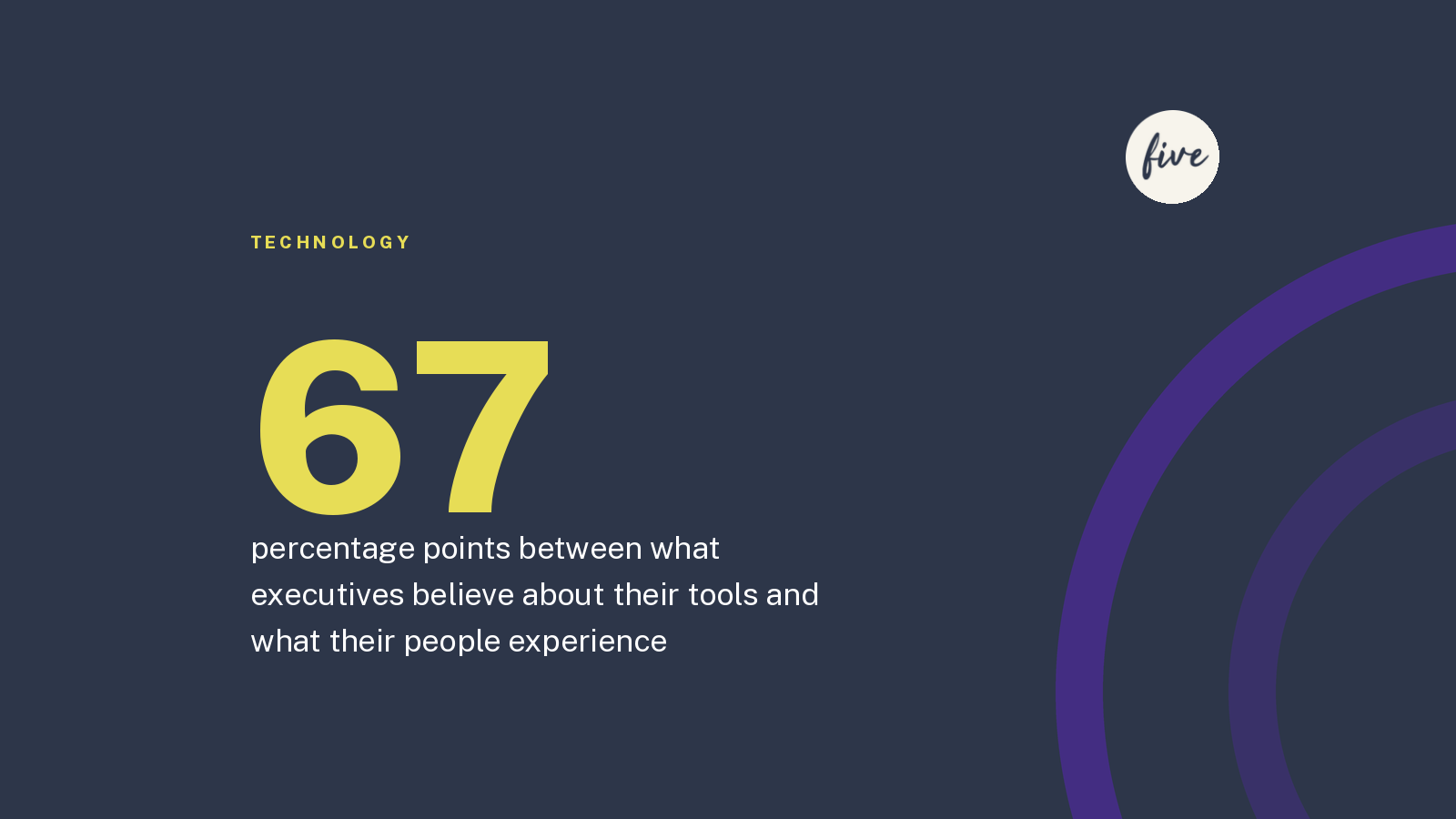
We've given them the tools
What we build in Smartsheet, and what we ask before we build it
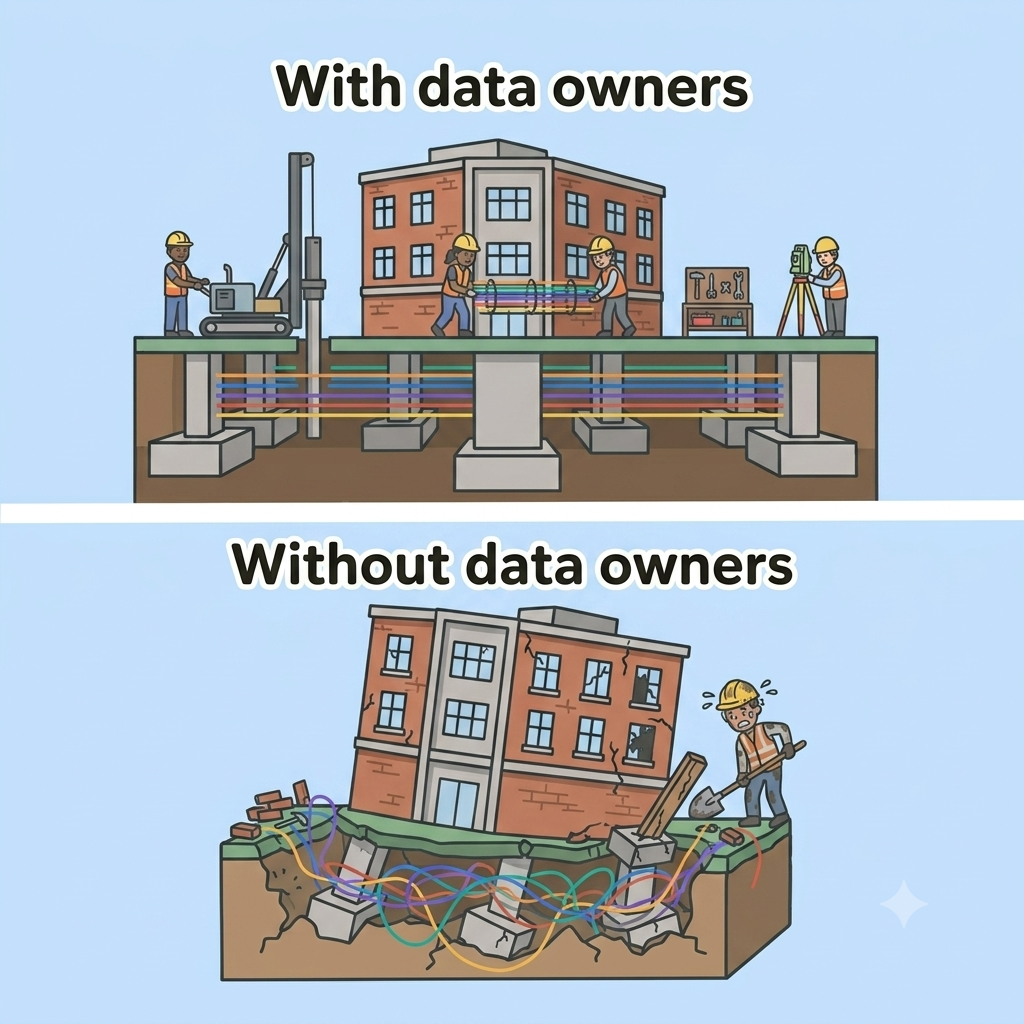
Clean data vs. big data: why your AI strategy is only as good as your worst spreadsheet
.png)
Most New Zealand boardrooms didn't choose their AI strategy. They inherited it.
Why the fear of your AI tool bill might cost more than the bill itself

.png)
The 1% rule that transformed British cycling - and why NZ leaders should apply it to AI


The executive mirror: your team won’t adopt AI if you haven’t

You wouldn't parent like it's 1995. So why are you still leading that way?

Executive cloning: what if you could actually clone yourself?
.png)
Upskilling vs. replacing: why it’s cheaper (and better) to train your experts in AI than to hire “AI experts”
.png)
The end of “busy work”: what your team can achieve when they aren’t stuck in spreadsheets

Wheelies, wipeouts and the best leadership lesson I've had all year!
The belief comes first. The performance follows.

How AI turns a dashboard into an engine for enquiry

The gap between what we say and what we do

Stop counting blades of grass

The 4-day work week: AI’s role in our changing reality

Facing economic headwinds with a strategic advantage: using AI to play a different game

The leadership readiness gap
.avif)
KPIs for AI: what metrics actually matter? (Hint: it’s not “number of prompts written”)

Let’s be honest: too many of our brilliant AI pilots in New Zealand are not scaling!

The rebirth of co-operative business models for the AI era

Te anga whakamua i mua i te tino: Te mīharo o te AI ki te whakatutuki i ngā mea kāore i taea

Why most people technology RFPs fail before they even start

What happens when leaders wear their tradition with pride

Clarity counts - why goals and measures matter

The strategic lever most organisations are missing

From delivery to direction-setting – the executive leadership mindset shift(s)


You can do anything, but not everything all at once: how to be smarter with your yes

Leading through the grey
%20Medium.avif)
Beyond the to-do list: the critical distinction between leadership accountability and responsibility

Leading through uncertainty: the essence of resilient leadership

Navigating the rainbow: building inclusive leadership in NZ


Leveraging affordable AI for enhanced productivity

How experience can reinvent boring products

Intentional design of your offboarding experience


What's psychosocial legislation all about, and what can we do about it?

Cut with a scalpel, not a chainsaw: strategic cost management and investment beyond the economic cycle

(Why) should we return to the office?

Gaining traction at the executive table
Navigating the emotional and mental challenges of right-sizing

Ditch the decks, unleash the dragons: why strategy isn’t a game trapped in spreadsheets and PowerPoint

Creating an inclusive environment for LGBTQI+ and MVPFAFF+ communities

The imperative of understanding organisational culture

A more human-centred approach to strategy

Preparing your young workers to move up (or move on)

Five ways to welcome youth talent to your organisation

The future skills you’re looking for are already here

The ultimate guide to accessibility for Tāngata Whaikaha


Connecting with IDEA



Achieve anything

To stack or not to stack…

Changing your mind

Making meetings magic

Give the gift of feedforward this Christmas

Do something you love

Lightbulb moments


The hybrid working revolution

Case study: The Warehouse Group’s digital agile bootcamp - success through sustained grit, teamwork and innovation

How to help others to stop ‘reloading’ in conversations

Let’s get phygital

The space-race to build the Netflix of learning

How to lead your team well when working remotely

COVID-19 - time for lemonade

Learning enablement

A parent’s guide to systems

Everything you do isn’t going to bring joy to the customer, some things just have to get done.

Fixing the problem of knowledge management

Why are you really doing it?

Smash 2024

Leading brilliantly through change

The “R” word

Why giving feedback is ALWAYS the right thing to do

Employers - get ready for your future employees

Unbelievable new joiner experiences

One on one conversations that spark joy

Future skills for New Zealand

A new kind of leadership

Take empowerment back

Leadership development for our time
Getting agile right

Business strategy: Hunker down or pivot?

The critical connection between organisational culture and strategic success.

Reimagining outplacement.

Doing it all: addressing 2023’s C-suite wishlist with WalkMe

The dangers of a communications vacuum in times of change.

Digital transformation. The time is now.