Culture transformation NZ
Culture transformation is the planned work of changing how an organisation behaves, makes decisions and gets work done. Five helps New Zealand leadership teams do it, starting with an evidence-based read of their culture. We're based in Auckland and work across New Zealand, in person or online.
Culture assessment
Culture transformation: what it is and who it's for
Culture transformation is a planned change in how your organisation behaves, makes decisions and gets work done. It lines up your leaders, systems and everyday habits with what your strategy needs. It's for leadership teams whose strategy is stalling, or who are about to ask people to work in a new way.
Most culture isn't designed. It grows out of the leadership habits, systems and unspoken assumptions already in place. That can leave hidden friction, wasted effort and strategies that never turn into action.
Culture change done well is structured. You find out how your culture really works, where it helps or blocks your strategy, and which changes will make it stick.
Culture change matters most when you ask people to work differently
People struggle to deliver a strategy their culture doesn't support. The bigger the change, the more your culture limits it. That's true for a digital transformation, a new business model or a move to agile ways of working.
Culture assessment comes first: Culture Discovery
Before you change anything, you need to know what you're working with. Culture Discovery is our culture assessment. It's an evidence-based read of what your people experience, and where that differs from what leaders intend. We don't rely on surveys alone.
The tools we use in a culture assessment
Jobs to be Done
Jobs to be Done comes from Clayton Christensen's jobs theory. We start with what your people are really trying to achieve in their roles, rather than what the job description says. This moves the focus from tasks to outcomes.
Living Employee Experience Map (LEEM)
The LEEM is Five's own tool. We map what people experience day to day, at every stage from joining to leaving. It gives a living picture of work across your organisation, rather than a one-off survey snapshot. Read more about EX and CX mapping.
Expectations and assumptions
Culture runs on unspoken rules. We bring to the surface the expectations that shape behaviour: the things nobody says but everyone knows matter.
Human needs (BICEPS)
BICEPS is Paloma Medina's model of six core needs at work: belonging, improvement, choice, equality, predictability and significance. When these needs are met, people engage. When they aren't, people disengage or leave. We map where your organisation meets them and where the gaps are.
Intention gaps
This draws on research into the intention-behaviour gap, including Paschal Sheeran's 2002 review. An intention gap is where what leaders intend doesn't match what people experience. Each gap is a friction point. Finding them is the first step to closing them.
We listen to three groups to get one picture
Culture looks different depending on where you sit. We gather insight from three groups:
- Employees see culture in the day to day: the pace of work, trust in their team, and whether they have what they need.
- Managers feel the pull between what leaders expect and what their people can realistically deliver.
- Subject matter experts see the patterns and system issues that cut across teams.
Listening to all three gives a fuller picture of how your culture really works.
Maturity and benefits
Our maturity model shows where your culture sits and what comes next
We map what Culture Discovery finds to our Organisational Maturity Model. It shows where your organisation sits across five domains, which match the five pillars of our work:
- Strategy and leadership: how decisions get made, how leaders share the vision and how they model the culture they want.
- Performance: how work gets done, how priorities are set and how success is measured.
- Culture: the shared values, behaviours and norms that shape how people work together.
- People: how people are developed and supported, and how careers progress.
- Technology: how systems help or hinder the way work gets done.
The model has six levels of maturity. They run from Ad Hoc (reactive and inconsistent) to Relentless Reinvention (adaptive, intentional and continuous). Knowing your level in each domain shows you what the next step looks like.
What culture change does for your business
Culture change is business work as much as people work. Here's what changes when you do it deliberately.
Strategy gets delivered
Culture helps or blocks strategy. When the two line up, delivery speeds up. When they don't, even a good strategy stalls.
Hidden friction comes to the surface
Every organisation has friction: unspoken tensions, competing priorities and systems that don't quite fit together. It slows everything down. Culture Discovery brings it into the open so you can deal with it.
Leaders carry the culture
Culture change only sticks when leaders own it. We help your leaders model the behaviours they expect, make decisions that back the culture and hold the line when it gets hard.
Systems are built around people
Culture change fails when it's imposed from above. It sticks when systems, processes and practices reflect what people need. We help you design them around human needs as well as efficiency.
You design your culture on purpose
You know what you're building, why it matters and how you'll track progress.
What we deliver
What we deliver for culture change
Culture Discovery
Our full culture assessment. We gather insight from across your organisation, map your current culture, find the gaps that matter most and set out a roadmap for change. Read about Culture Discovery.
Leadership alignment workshops
We bring your leadership team together to work through what Culture Discovery found. You agree priorities and commit to the behaviours that will drive change.
Culture Advisory
An ongoing partnership with your leadership team. We help you make decisions that strengthen your culture, lead through change and keep momentum. See Culture Advisory.
Case study: AA Insurance
AA Insurance needed to move beyond surveys to uncover deeper insights into their organisational culture. Our work with them:
- Surfaced critical intention-action gaps that surveys alone had missed
- Identified two cultural operating systems, giving leadership a clearer picture of strengths and growth areas
- Developed a focused cultural plan emphasising trust, innovation, and inclusivity
Frequently asked questions
How long does culture transformation take?
Meaningful shifts usually take 6 to 12 months. The work doesn't stop there. The aim is to build your ability to keep shaping your culture as your business changes.
How is Culture Discovery different from a culture survey?
A survey tells you what people think. Culture Discovery looks at what's really happening: the systems, behaviours and unspoken assumptions that shape your culture. It combines qualitative and quantitative research with co-design sessions.
Do we need to change our values?
Not usually. Most organisations have an alignment problem rather than a values problem. People don't live the stated values because systems, behaviours and leadership habits don't back them up. We help you close that gap.
What if our culture is already pretty good?
Strong cultures can still improve. Culture Discovery shows what you're doing well, where there's friction you haven't noticed and where you could be more deliberate.
Can you work with hybrid and distributed teams?
Yes. We work with hybrid and distributed teams, and Culture Discovery works wherever your people are based. We run sessions in person or online.
What happens after Culture Discovery?
You get a clear picture of your current culture, where you want to go and a roadmap to get there. You might then work with us on leadership alignment, implementation support or ongoing Culture Advisory. Or you can take the findings and run with them yourselves.
Is Culture Discovery a psychosocial assessment?
No. Five doesn't use registered psychologists or a validated psychosocial hazard tool. If you need a formal psychosocial assessment, we'll refer you to a specialist. Culture Discovery looks at how your culture works and doesn't replace that assessment.
What does culture change work cost?
We agree a fixed price with you before we start. We don't publish prices because every organisation needs something different.
How do we get started?
Start with a conversation. Tell us what you're seeing and what you need from your culture. We'll suggest where to start. Talk to us.
Talk to us about culture change
If your strategy isn't moving at the pace you need, or there's friction you can't quite name, talk to us. We're based in Auckland and work across New Zealand, in person or online.
Get in touch →Our team
Related articles

Beyond the offsite: 5 questions for executive team traction


Nobody can tell you what your potential is
The 5 questions every board must ask before approving an AI budget

The delivery gap: a manifesto
We've given them the tools
What we build in Smartsheet, and what we ask before we build it
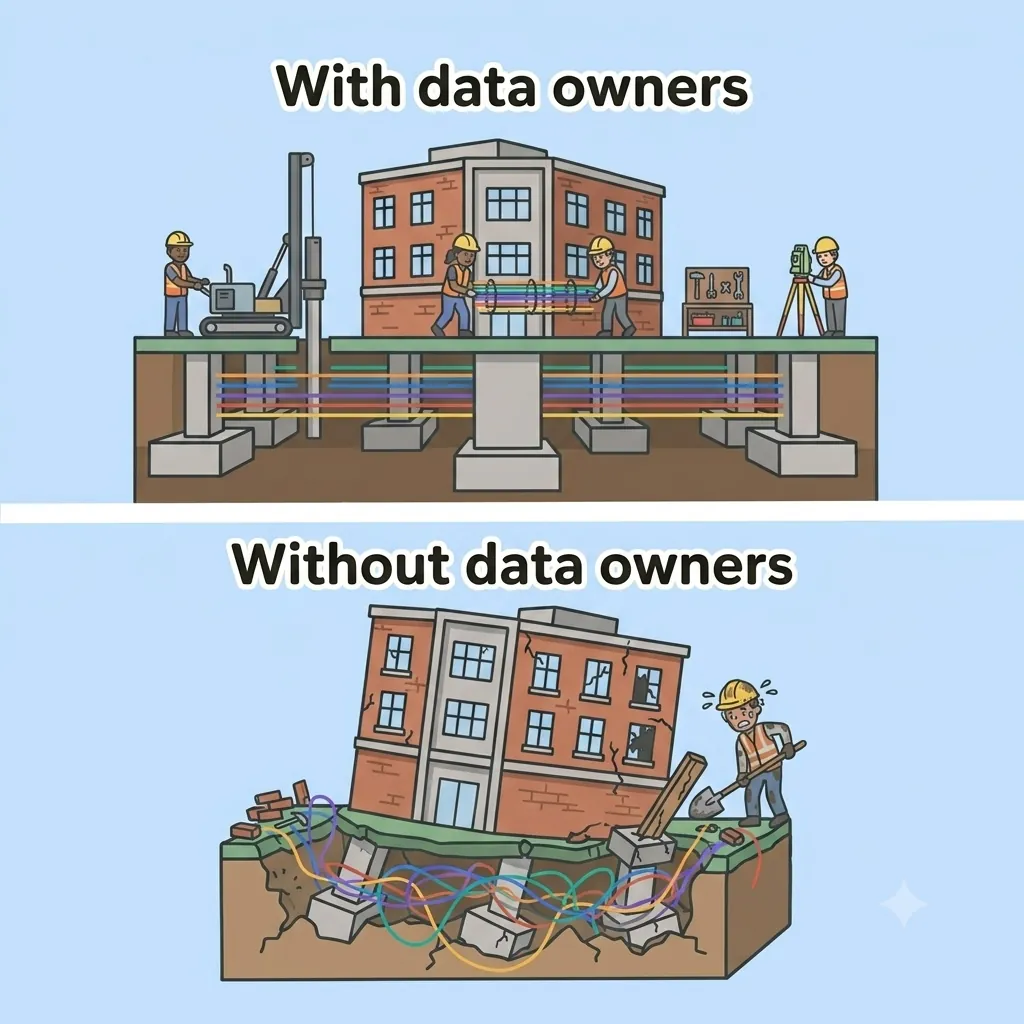
Clean data vs. big data: why your AI strategy is only as good as your worst spreadsheet

Most New Zealand boardrooms didn't choose their AI strategy. They inherited it.

Why the fear of your AI tool bill might cost more than the bill itself

The 1% rule that transformed British cycling - and why NZ leaders should apply it to AI

The executive mirror: your team won’t adopt AI if you haven’t

You wouldn't parent like it's 1995. So why are you still leading that way?

Executive cloning: what if you could actually clone yourself?

Upskilling vs. replacing: why it’s cheaper (and better) to train your experts in AI than to hire “AI experts”
The end of “busy work”: what your team can achieve when they aren’t stuck in spreadsheets

Wheelies, wipeouts and the best leadership lesson I've had all year!
The belief comes first. The performance follows.
How AI turns a dashboard into an engine for enquiry
The gap between what we say and what we do

Stop counting blades of grass
The 4-day work week: AI’s role in our changing reality

Facing economic headwinds with a strategic advantage: using AI to play a different game

The leadership readiness gap

KPIs for AI: what metrics actually matter? (Hint: it’s not “number of prompts written”)
Let’s be honest: too many of our brilliant AI pilots in New Zealand are not scaling!

The rebirth of co-operative business models for the AI era
Te anga whakamua i mua i te tino: Te mīharo o te AI ki te whakatutuki i ngā mea kāore i taea

Why most people technology RFPs fail before they even start

What happens when leaders wear their tradition with pride

Clarity counts - why goals and measures matter

The strategic lever most organisations are missing

From delivery to direction-setting: the executive leadership mindset shift(s)

You can do anything, but not everything all at once: how to be smarter with your yes
Leading through the grey

Beyond the to-do list: the critical distinction between leadership accountability and responsibility

Leading through uncertainty: the essence of resilient leadership
Navigating the rainbow: building inclusive leadership in NZ

Leveraging affordable AI for enhanced productivity

How experience can reinvent boring products

Intentional design of your offboarding experience


What's psychosocial legislation all about, and what can we do about it?

Cut with a scalpel, not a chainsaw: strategic cost management and investment beyond the economic cycle

(Why) should we return to the office?

Gaining traction at the executive table
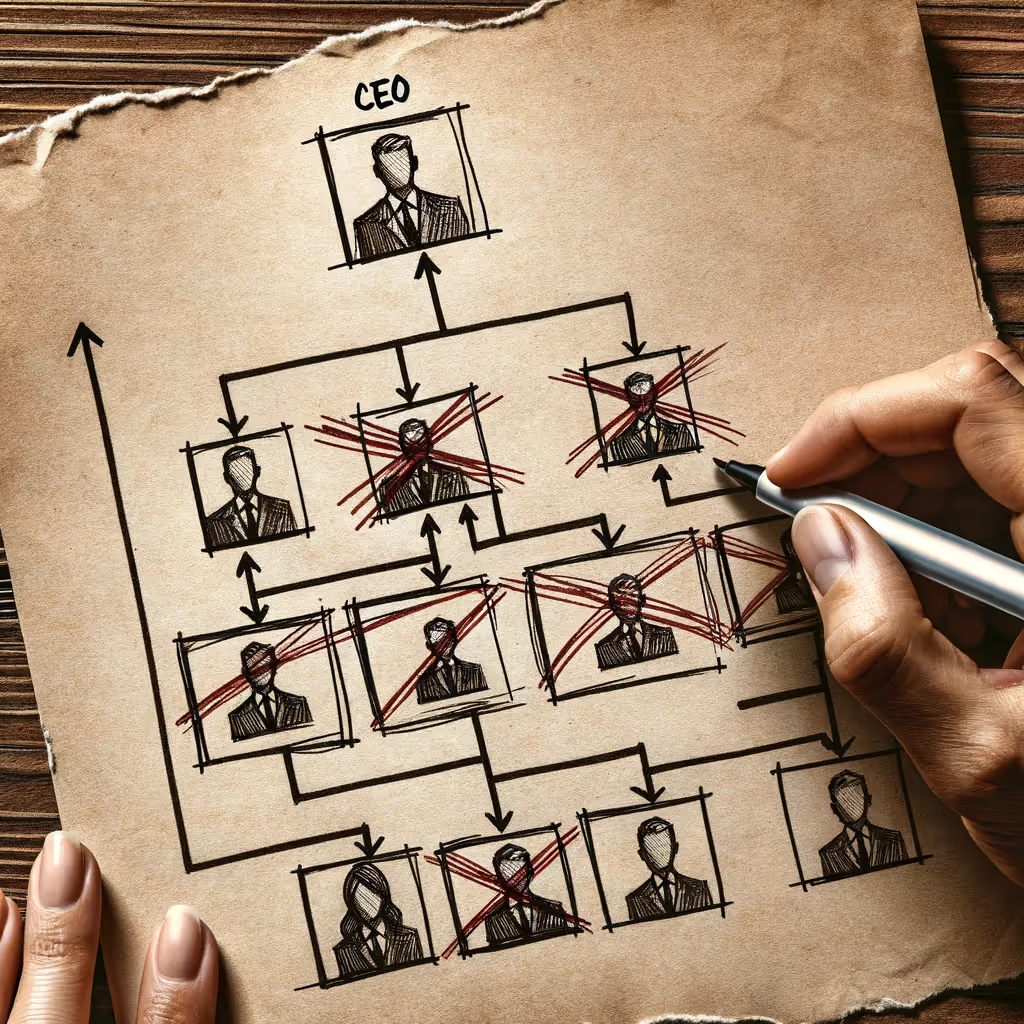
Navigating the emotional and mental challenges of right-sizing

Ditch the decks, unleash the dragons: why strategy isn’t a game trapped in spreadsheets and PowerPoint
Creating an inclusive environment for LGBTQI+ and MVPFAFF+ communities

The imperative of understanding organisational culture

A more human-centred approach to strategy

Preparing your young workers to move up (or move on)

Five ways to welcome youth talent to your organisation

The future skills you’re looking for are already here

The ultimate guide to accessibility for Tāngata Whaikaha


Connecting with IDEA



Achieve anything

To stack or not to stack…

Changing your mind

Making meetings magic

Give the gift of feedforward this Christmas
Do something you love
Lightbulb moments


The hybrid working revolution

Case study: The Warehouse Group’s digital agile bootcamp - success through sustained grit, teamwork and innovation

How to help others to stop ‘reloading’ in conversations

Let’s get phygital

The space-race to build the Netflix of learning

How to lead your team well when working remotely

COVID-19 - time for lemonade
Learning enablement

A parent’s guide to systems

Everything you do isn’t going to bring joy to the customer, some things just have to get done.

Fixing the problem of knowledge management

Why are you really doing it?

Smash 2024

Leading brilliantly through change

The “R” word

Why giving feedback is ALWAYS the right thing to do

Employers - get ready for your future employees

Unbelievable new joiner experiences

One on one conversations that spark joy

Future skills for New Zealand

A new kind of leadership

Take empowerment back

Leadership development for our time

Getting agile right

Business strategy: Hunker down or pivot?

The critical connection between organisational culture and strategic success.

Reimagining outplacement.

Doing it all: addressing 2023’s C-suite wishlist with WalkMe

The dangers of a communications vacuum in times of change.
Digital transformation. The time is now.